Buy europeanagenda.eu ?
We are moving the project
europeanagenda.eu .
Are you interested in purchasing the domain
europeanagenda.eu ?
domain@kv-gmbh.de · 0541-91531010
Buy europeanagenda.eu ?
Did Kamikaze pilots have parachutes?
No, Kamikaze pilots did not have parachutes. The concept of the Kamikaze pilots was to carry out suicide attacks by crashing their planes into enemy targets, so there was no need for them to have parachutes. The pilots were fully committed to their mission and were expected to die in the process. **
Did kamikaze pilots have parachutes?
No, kamikaze pilots did not have parachutes. The concept of the kamikaze mission was for the pilot to crash their aircraft into enemy targets, sacrificing their own life in the process. Therefore, there was no need for them to have parachutes as they were not expected to survive the mission. **


Similar search terms for Parachutes
Top-Angebote
Products related to Parachutes:

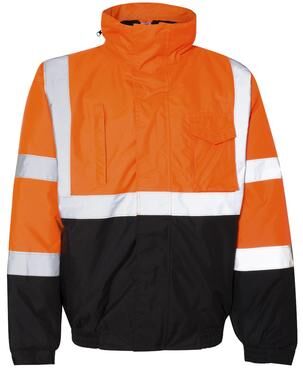
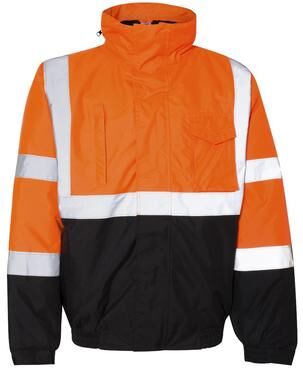
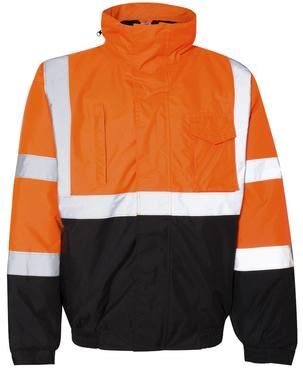
-
Are parachutes waterproof or water-resistant?
Parachutes are typically made from waterproof materials such as nylon or polyester, which are designed to repel water and prevent it from seeping through the fabric. This makes parachutes waterproof, meaning they can protect the user from getting wet when landing in water or during rainy conditions. However, it's important to note that over time, the waterproofing properties of the fabric may degrade, so it's always a good idea to check and maintain the condition of the parachute regularly. **
-
Can parachutes be used multiple times?
Yes, parachutes can be used multiple times. Most modern parachutes are designed to be reusable and can be packed and repacked for multiple uses. However, they do have a limited lifespan and must be regularly inspected and maintained to ensure their safety and effectiveness. With proper care and maintenance, a parachute can be used for many jumps before needing to be replaced. **
-
Why are there no parachutes in airplanes?
Parachutes are not typically provided on commercial airplanes because they are not practical for the vast majority of emergency situations that may occur during a flight. In the event of a serious emergency, such as a loss of cabin pressure or engine failure, the best course of action is for the pilot to attempt to safely land the plane as quickly as possible. Parachutes would also require extensive training for passengers to use effectively, and the time it would take for everyone to put on a parachute and jump out of the plane would likely be longer than the time it takes for the pilot to attempt an emergency landing. **
-
What material are normal parachutes made of?
Normal parachutes are typically made of nylon or other synthetic materials. These materials are chosen for their strength, durability, and ability to withstand the forces of deployment and descent. The fabric is also lightweight, allowing the parachute to be easily carried and deployed by the user. Additionally, the material is designed to be resistant to tearing and abrasion, ensuring the safety and reliability of the parachute during use. **
Why don't we install parachutes in airplanes?
Parachutes are not installed in commercial airplanes because they are not practical for use in the event of an emergency. The time it would take for all passengers to safely exit the plane and deploy their parachutes would be too long, especially at high altitudes and high speeds. Additionally, the training and coordination required for passengers to use parachutes effectively would be impractical. Instead, commercial airplanes are equipped with other safety measures such as emergency exits, life vests, and flotation devices. **
Are all parachutes the same size when skydiving?
No, parachutes are not all the same size when skydiving. The size of the parachute used depends on factors such as the weight of the skydiver, the type of jump being performed, and the desired descent rate. Larger parachutes are typically used for heavier skydivers or tandem jumps, while smaller parachutes are used for experienced skydivers looking for faster descent rates. It is important for the parachute to be properly sized and deployed to ensure a safe landing. **
Top-Angebote
Products related to Parachutes:
-
HARPERCOLLINS Creative Confidence by Tom & David Kelley – Unleashing Your Creative Potential & Innovation MindsetA powerful and inspiring book from the founders of IDEO, the award-winning design firm, on unleashing the creativity that lies within each and every one of us. Too often, companies and individuals assume that creativity and innovation are the domain of the ‘creative types’. But two of the foremost experts in innovation, design and creativity on the planet show us that each and every one of us is creative. In an entertaining and inspiring narrative that draws on countless stories from their work at IDEO, and with many of the world's top companies and design firms, David and Tom Kelley identify the principles and strategies that will allow us to tap into our creative potential in our work lives, and in our personal lives, allow us to think outside the box in terms of how we approach and solve problems. ‘Creative Confidence’ is a book that will help each of us be more productive and successful in our lives and in our careers.4,95 £*Shipping: 1,99 £Secure redirect to the provider
-
Did Kamikaze pilots have parachutes?
No, Kamikaze pilots did not have parachutes. The concept of the Kamikaze pilots was to carry out suicide attacks by crashing their planes into enemy targets, so there was no need for them to have parachutes. The pilots were fully committed to their mission and were expected to die in the process. **
-
Did kamikaze pilots have parachutes?
No, kamikaze pilots did not have parachutes. The concept of the kamikaze mission was for the pilot to crash their aircraft into enemy targets, sacrificing their own life in the process. Therefore, there was no need for them to have parachutes as they were not expected to survive the mission. **
-
Are parachutes waterproof or water-resistant?
Parachutes are typically made from waterproof materials such as nylon or polyester, which are designed to repel water and prevent it from seeping through the fabric. This makes parachutes waterproof, meaning they can protect the user from getting wet when landing in water or during rainy conditions. However, it's important to note that over time, the waterproofing properties of the fabric may degrade, so it's always a good idea to check and maintain the condition of the parachute regularly. **
-
Can parachutes be used multiple times?
Yes, parachutes can be used multiple times. Most modern parachutes are designed to be reusable and can be packed and repacked for multiple uses. However, they do have a limited lifespan and must be regularly inspected and maintained to ensure their safety and effectiveness. With proper care and maintenance, a parachute can be used for many jumps before needing to be replaced. **
Similar search terms for Parachutes
-
Why are there no parachutes in airplanes?
Parachutes are not typically provided on commercial airplanes because they are not practical for the vast majority of emergency situations that may occur during a flight. In the event of a serious emergency, such as a loss of cabin pressure or engine failure, the best course of action is for the pilot to attempt to safely land the plane as quickly as possible. Parachutes would also require extensive training for passengers to use effectively, and the time it would take for everyone to put on a parachute and jump out of the plane would likely be longer than the time it takes for the pilot to attempt an emergency landing. **
-
What material are normal parachutes made of?
Normal parachutes are typically made of nylon or other synthetic materials. These materials are chosen for their strength, durability, and ability to withstand the forces of deployment and descent. The fabric is also lightweight, allowing the parachute to be easily carried and deployed by the user. Additionally, the material is designed to be resistant to tearing and abrasion, ensuring the safety and reliability of the parachute during use. **
-
Why don't we install parachutes in airplanes?
Parachutes are not installed in commercial airplanes because they are not practical for use in the event of an emergency. The time it would take for all passengers to safely exit the plane and deploy their parachutes would be too long, especially at high altitudes and high speeds. Additionally, the training and coordination required for passengers to use parachutes effectively would be impractical. Instead, commercial airplanes are equipped with other safety measures such as emergency exits, life vests, and flotation devices. **
-
Are all parachutes the same size when skydiving?
No, parachutes are not all the same size when skydiving. The size of the parachute used depends on factors such as the weight of the skydiver, the type of jump being performed, and the desired descent rate. Larger parachutes are typically used for heavier skydivers or tandem jumps, while smaller parachutes are used for experienced skydivers looking for faster descent rates. It is important for the parachute to be properly sized and deployed to ensure a safe landing. **
* All prices are inclusive of VAT and, if applicable, plus shipping costs. The offer information is based on the details provided by the respective shop and is updated through automated processes. Real-time updates do not occur, so deviations can occur in individual cases. ** Note: Parts of this content were created by AI.