Buy europeanagenda.eu ?
We are moving the project
europeanagenda.eu .
Are you interested in purchasing the domain
europeanagenda.eu ?
domain@kv-gmbh.de · 0541-91531010
Buy europeanagenda.eu ?
Should young aspiring artists use soft pastels or oil pastels?
Young aspiring artists can experiment with both soft pastels and oil pastels to see which medium they prefer. Soft pastels are great for blending and creating detailed work, while oil pastels are more vibrant and can be used on a variety of surfaces. It ultimately comes down to personal preference and the desired effect the artist wants to achieve. Experimenting with both mediums can help young artists develop their skills and find their unique style. **
What are solvents for oil pastels?
Solvents for oil pastels include mineral spirits, turpentine, and odorless mineral spirits. These solvents can be used to blend and thin oil pastels, creating smooth and translucent effects. It's important to use these solvents in a well-ventilated area and to follow safety precautions, as they can be toxic if inhaled or ingested. Additionally, some artists may also use linseed oil or other painting mediums as solvents for oil pastels. **

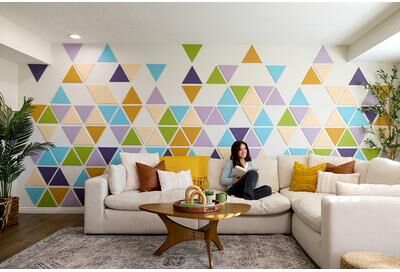
Similar search terms for Pastels
Top-Angebote
Products related to Pastels:
-
HARPERCOLLINS Creative Confidence by Tom & David Kelley – Unleashing Your Creative Potential & Innovation MindsetA powerful and inspiring book from the founders of IDEO, the award-winning design firm, on unleashing the creativity that lies within each and every one of us. Too often, companies and individuals assume that creativity and innovation are the domain of the ‘creative types’. But two of the foremost experts in innovation, design and creativity on the planet show us that each and every one of us is creative. In an entertaining and inspiring narrative that draws on countless stories from their work at IDEO, and with many of the world's top companies and design firms, David and Tom Kelley identify the principles and strategies that will allow us to tap into our creative potential in our work lives, and in our personal lives, allow us to think outside the box in terms of how we approach and solve problems. ‘Creative Confidence’ is a book that will help each of us be more productive and successful in our lives and in our careers.4,95 £*Shipping: 1,99 £Secure redirect to the provider



-
Which paper is suitable for oil pastels?
A heavyweight, textured paper such as pastel paper or watercolor paper is most suitable for oil pastels. These papers have a rough surface that helps the oil pastels adhere to the paper and allows for layering and blending of colors. Additionally, the thickness of these papers prevents the oil pastels from bleeding through or warping the paper. It is important to use a paper specifically designed for pastels to achieve the best results with oil pastels. **
-
How can you wash off oil pastels?
To wash off oil pastels, you can use a mild soap and warm water. Gently rub the affected area with the soap and water using a soft cloth or sponge. You may need to repeat the process a few times to completely remove the oil pastels. Additionally, using a gentle scrubbing brush can help to remove any stubborn stains. After washing, make sure to thoroughly rinse and dry the surface to prevent any remaining residue. **
-
How can oil pastels be used on canvas?
Oil pastels can be used on canvas by applying them directly onto the canvas surface. They can be used to create vibrant and textured drawings or paintings. The oil pastels can be blended together using a blending tool or even your fingers to create smooth transitions and gradients. Additionally, they can be used in combination with other mediums such as acrylic paint or oil paint to create mixed media artwork on canvas. **
-
On which paper do I use oil pastels?
Oil pastels are best used on a heavyweight, textured paper with a toothy surface that can hold the pigment and allow for layering and blending. Papers such as pastel paper, watercolor paper, or mixed media paper work well with oil pastels. It is important to choose a paper that can withstand the heavy application of the oil pastels without tearing or warping. **


Can you fix soft pastels with an iron?
No, soft pastels cannot be fixed with an iron. Using heat to fix soft pastels can cause them to melt and lose their texture and vibrancy. It is recommended to use a fixative spray specifically designed for pastels to set the artwork and prevent smudging. Ironing soft pastels can ruin the artwork and should be avoided. **
What does a picture with oil pastels look like?
A picture with oil pastels has a rich and vibrant appearance, with bold and intense colors. The texture of the oil pastels creates a soft and smooth finish, with the ability to blend and layer colors to create depth and dimension. The colors have a slightly glossy and opaque finish, giving the artwork a luminous and lively quality. Overall, a picture with oil pastels has a distinct and expressive look, with a unique and tactile quality. **
Top-Angebote
Products related to Pastels:
-
Katie Merz COLORWRKS Sunny x Pastels Area RugThe vibrant abstract paintings and ink and watercolor works on paper of noted Brooklyn-born and lifelong Brooklyn-based artist Katie Merz have inspired this stylish new licensed collection of area rugs, which translates Katie's distinctive eye for...125,08 $*Shipping: 0,00 $Secure redirect to the provider
-
Felt Right Borealis Pastels Sound Dampening Pinnable TilesEach Felt Right tile is made from high-density, engineered PET felt that has a warm, wool-like appearance but is also very durable and wear-resistant! Each of our ⅜” Felt Right tiles act as a sound barrier on your walls. The fibrous nature of the...894,87 $*Shipping: 0,00 $Secure redirect to the provider
-
HARPERCOLLINS Creative Confidence by Tom & David Kelley – Unleashing Your Creative Potential & Innovation MindsetA powerful and inspiring book from the founders of IDEO, the award-winning design firm, on unleashing the creativity that lies within each and every one of us. Too often, companies and individuals assume that creativity and innovation are the domain of the ‘creative types’. But two of the foremost experts in innovation, design and creativity on the planet show us that each and every one of us is creative. In an entertaining and inspiring narrative that draws on countless stories from their work at IDEO, and with many of the world's top companies and design firms, David and Tom Kelley identify the principles and strategies that will allow us to tap into our creative potential in our work lives, and in our personal lives, allow us to think outside the box in terms of how we approach and solve problems. ‘Creative Confidence’ is a book that will help each of us be more productive and successful in our lives and in our careers.4,95 £*Shipping: 1,99 £Secure redirect to the provider
-
Should young aspiring artists use soft pastels or oil pastels?
Young aspiring artists can experiment with both soft pastels and oil pastels to see which medium they prefer. Soft pastels are great for blending and creating detailed work, while oil pastels are more vibrant and can be used on a variety of surfaces. It ultimately comes down to personal preference and the desired effect the artist wants to achieve. Experimenting with both mediums can help young artists develop their skills and find their unique style. **
-
What are solvents for oil pastels?
Solvents for oil pastels include mineral spirits, turpentine, and odorless mineral spirits. These solvents can be used to blend and thin oil pastels, creating smooth and translucent effects. It's important to use these solvents in a well-ventilated area and to follow safety precautions, as they can be toxic if inhaled or ingested. Additionally, some artists may also use linseed oil or other painting mediums as solvents for oil pastels. **
-
Which paper is suitable for oil pastels?
A heavyweight, textured paper such as pastel paper or watercolor paper is most suitable for oil pastels. These papers have a rough surface that helps the oil pastels adhere to the paper and allows for layering and blending of colors. Additionally, the thickness of these papers prevents the oil pastels from bleeding through or warping the paper. It is important to use a paper specifically designed for pastels to achieve the best results with oil pastels. **
-
How can you wash off oil pastels?
To wash off oil pastels, you can use a mild soap and warm water. Gently rub the affected area with the soap and water using a soft cloth or sponge. You may need to repeat the process a few times to completely remove the oil pastels. Additionally, using a gentle scrubbing brush can help to remove any stubborn stains. After washing, make sure to thoroughly rinse and dry the surface to prevent any remaining residue. **
Similar search terms for Pastels
-
How can oil pastels be used on canvas?
Oil pastels can be used on canvas by applying them directly onto the canvas surface. They can be used to create vibrant and textured drawings or paintings. The oil pastels can be blended together using a blending tool or even your fingers to create smooth transitions and gradients. Additionally, they can be used in combination with other mediums such as acrylic paint or oil paint to create mixed media artwork on canvas. **
-
On which paper do I use oil pastels?
Oil pastels are best used on a heavyweight, textured paper with a toothy surface that can hold the pigment and allow for layering and blending. Papers such as pastel paper, watercolor paper, or mixed media paper work well with oil pastels. It is important to choose a paper that can withstand the heavy application of the oil pastels without tearing or warping. **
-
Can you fix soft pastels with an iron?
No, soft pastels cannot be fixed with an iron. Using heat to fix soft pastels can cause them to melt and lose their texture and vibrancy. It is recommended to use a fixative spray specifically designed for pastels to set the artwork and prevent smudging. Ironing soft pastels can ruin the artwork and should be avoided. **
-
What does a picture with oil pastels look like?
A picture with oil pastels has a rich and vibrant appearance, with bold and intense colors. The texture of the oil pastels creates a soft and smooth finish, with the ability to blend and layer colors to create depth and dimension. The colors have a slightly glossy and opaque finish, giving the artwork a luminous and lively quality. Overall, a picture with oil pastels has a distinct and expressive look, with a unique and tactile quality. **
* All prices are inclusive of VAT and, if applicable, plus shipping costs. The offer information is based on the details provided by the respective shop and is updated through automated processes. Real-time updates do not occur, so deviations can occur in individual cases. ** Note: Parts of this content were created by AI.